 Image 1 of 1
Goat Soap
Goat Soap
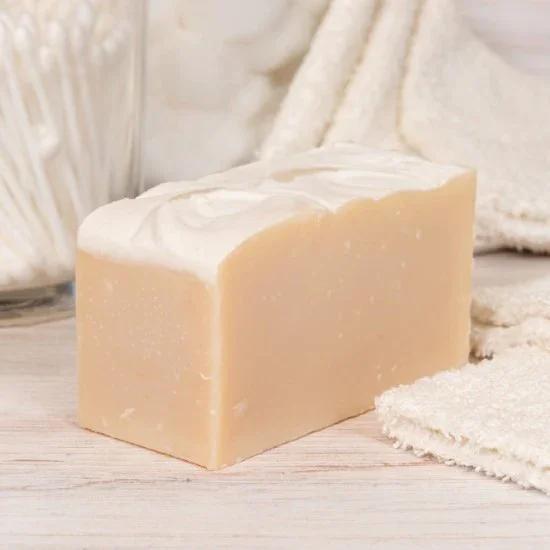
Goat soap is a gentle, natural bar made with goat milk as a primary ingredient. It’s known for a creamy lather, moisturizing properties, and suitability for sensitive or dry skin. Typical formulations combine goat milk with oils such as olive, coconut, and shea butter, plus natural fragrances or essential oils. Some key points:
Moisturizing: Goat milk contains fats and proteins that help nourish and hydrate skin. Lactic acid in the milk provides mild exfoliation, promoting softer texture.
Gentle pH: Goat milk’s pH is close to the skin’s natural pH, which can help maintain the skin barrier and reduce irritation compared with some commercial soaps.
Cleansing without stripping: Oils used in goat soap clean while leaving some natural oils behind, avoiding the tight, dry feeling that harsh detergents can cause.
Suitable for sensitive skin: Many people with eczema, rosacea, or allergies find goat soap less irritating, though reactions vary—patch testing is recommended.
Natural variations: Bars can be unscented or scented with essential oils (lavender, eucalyptus, rosemary) or mild fragrances. Additives like oatmeal, honey, clay, or activated charcoal offer targeted benefits (exfoliation, extra moisture, oil control).
Handmade vs. commercial: Handmade cold-process goat soaps often retain more of the milk’s beneficial components; commercial bars may be milder but can include stabilizers or preservatives.
Storage and use: Keep bars dry between uses to extend life; use a well-draining soap dish. Because goat milk increases the bar’s moisture content, handmade bars may soften faster if left in standing water.
Versatility: Available as bars, liquid soaps, shampoos, and facial cleansers. Formulations differ—facial products usually have milder surfactants and lower fragrance.
Tips for buying:
Check ingredient list for the percentage or prominence of goat milk (fresh milk vs. powder).
Prefer simple ingredient lists if you have sensitive skin.
Look for reputable small-batch makers or brands that disclose sourcing and processing methods.
If you have dairy allergies, note that topical goat milk typically doesn’t cause food-allergy reactions for most people, but consult an allergist if you have severe dairy allergy concerns.
DIY basics (overview):
Typical cold-process recipe uses saponified oils plus 10–20% goat milk by weight.
Goat milk is often used frozen or as powder to avoid scorching during lye mixing.
Cure bars for 4–6 weeks to harden and mellow the soap.
Common benefits claimed:
Improved skin hydration and softness
Gentle cleansing with less irritation
Mild exfoliation and brighter skin tone with continued use
Common cautions:
Those with milk allergies should consult a doctor before regular topical use.
Essential oils can irritate sensitive skin; choose unscented or single, low-concentration oils.
Handmade bars vary widely—if you have a specific skin condition, test a small area first.
Short product-style description: Moisturizing Goat Milk Soap — A creamy, nourishing bar made with real goat milk and a blend of natural oils to cleanse gently without stripping moisture. Ideal for dry and sensitive skin, lightly scented with lavender or available unscented. Handcrafted in small batches and cured for weeks to deliver a rich lather and lasting hydration.
Goat Soap
Goat soap is a gentle, natural bar made with goat milk as a primary ingredient. It’s known for a creamy lather, moisturizing properties, and suitability for sensitive or dry skin. Typical formulations combine goat milk with oils such as olive, coconut, and shea butter, plus natural fragrances or essential oils. Some key points:
Moisturizing: Goat milk contains fats and proteins that help nourish and hydrate skin. Lactic acid in the milk provides mild exfoliation, promoting softer texture.
Gentle pH: Goat milk’s pH is close to the skin’s natural pH, which can help maintain the skin barrier and reduce irritation compared with some commercial soaps.
Cleansing without stripping: Oils used in goat soap clean while leaving some natural oils behind, avoiding the tight, dry feeling that harsh detergents can cause.
Suitable for sensitive skin: Many people with eczema, rosacea, or allergies find goat soap less irritating, though reactions vary—patch testing is recommended.
Natural variations: Bars can be unscented or scented with essential oils (lavender, eucalyptus, rosemary) or mild fragrances. Additives like oatmeal, honey, clay, or activated charcoal offer targeted benefits (exfoliation, extra moisture, oil control).
Handmade vs. commercial: Handmade cold-process goat soaps often retain more of the milk’s beneficial components; commercial bars may be milder but can include stabilizers or preservatives.
Storage and use: Keep bars dry between uses to extend life; use a well-draining soap dish. Because goat milk increases the bar’s moisture content, handmade bars may soften faster if left in standing water.
Versatility: Available as bars, liquid soaps, shampoos, and facial cleansers. Formulations differ—facial products usually have milder surfactants and lower fragrance.
Tips for buying:
Check ingredient list for the percentage or prominence of goat milk (fresh milk vs. powder).
Prefer simple ingredient lists if you have sensitive skin.
Look for reputable small-batch makers or brands that disclose sourcing and processing methods.
If you have dairy allergies, note that topical goat milk typically doesn’t cause food-allergy reactions for most people, but consult an allergist if you have severe dairy allergy concerns.
DIY basics (overview):
Typical cold-process recipe uses saponified oils plus 10–20% goat milk by weight.
Goat milk is often used frozen or as powder to avoid scorching during lye mixing.
Cure bars for 4–6 weeks to harden and mellow the soap.
Common benefits claimed:
Improved skin hydration and softness
Gentle cleansing with less irritation
Mild exfoliation and brighter skin tone with continued use
Common cautions:
Those with milk allergies should consult a doctor before regular topical use.
Essential oils can irritate sensitive skin; choose unscented or single, low-concentration oils.
Handmade bars vary widely—if you have a specific skin condition, test a small area first.
Short product-style description: Moisturizing Goat Milk Soap — A creamy, nourishing bar made with real goat milk and a blend of natural oils to cleanse gently without stripping moisture. Ideal for dry and sensitive skin, lightly scented with lavender or available unscented. Handcrafted in small batches and cured for weeks to deliver a rich lather and lasting hydration.